
Outdoor kitchens have become increasingly popular with homeowners who want to make better use of their outdoor areas. From weekend barbecues to summer entertaining, an outdoor kitchen can turn a deck, patio, or backyard into a more practical and enjoyable living space.
For Hawke’s Bay property owners, outdoor kitchens can be especially appealing. With warm summers, outdoor lifestyles, and many homes designed around entertaining, a well-planned outdoor kitchen can add real lifestyle value.
However, like any property upgrade, it is worth weighing up the pros and cons before getting started. Outdoor kitchens can be simple and low-maintenance, or they can become larger projects involving plumbing, power, shelter, cabinetry, drainage, and weatherproof materials.
At Total Property, we help homeowners, landlords, and property owners plan practical improvements that suit their property, budget, and long-term needs.
What Is an Outdoor Kitchen?
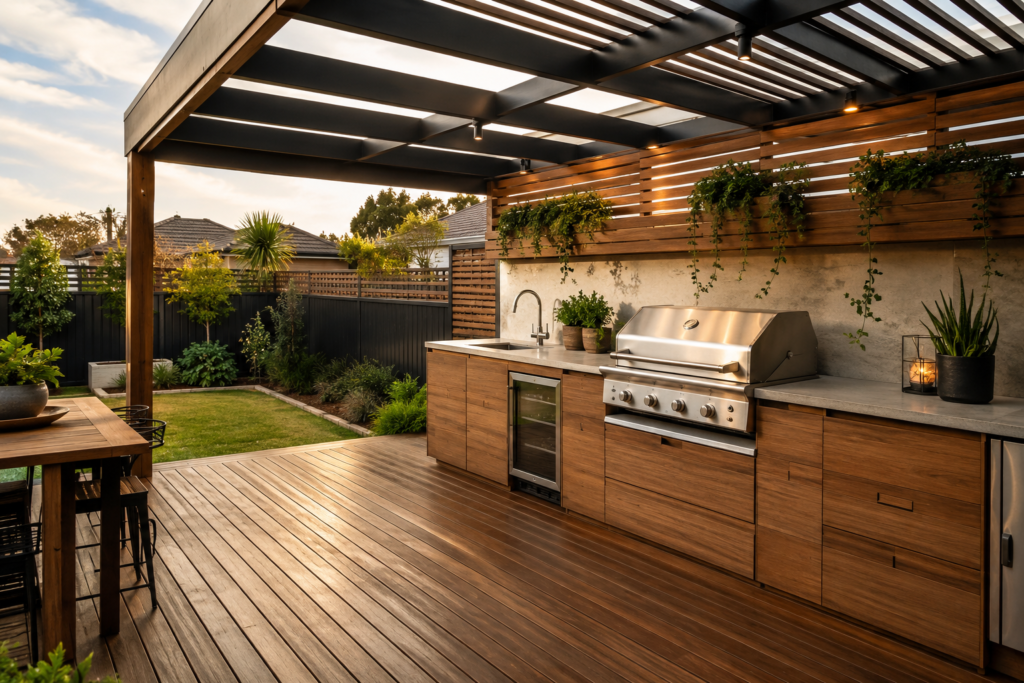
An outdoor kitchen is a dedicated cooking and preparation area located outside the main home. It can be as simple as a built-in barbecue with bench space, or as detailed as a fully fitted outdoor cooking zone with storage, a sink, fridge, lighting, seating, and shelter.
Common outdoor kitchen features include:
Built-in barbecue or grill
Benchtop preparation space
Outdoor cabinetry
Sink and tap
Bar fridge
Pizza oven
Storage drawers
Shelter or pergola
Lighting and power points
Outdoor dining area
The right setup depends on how often you entertain, the size of your outdoor area, and how much maintenance you are comfortable with.
The Pros of an Outdoor Kitchen
1. Better Outdoor Entertaining
One of the biggest benefits of an outdoor kitchen is convenience when entertaining. Instead of constantly moving between the indoor kitchen and the barbecue, everything can be set up in one place.
This makes hosting easier, especially during summer gatherings, family events, or casual weekend meals. Food preparation, cooking, serving, and socialising can all happen in the same outdoor area.
For homes with decks, patios, or pool areas, an outdoor kitchen can help create a natural hub for entertaining.
2. Makes Better Use of Outdoor Space
Many properties have outdoor areas that are underused. A deck or patio may look good but not function as well as it could.
Adding an outdoor kitchen can give that space a clear purpose. It can help connect the home to the garden, encourage more outdoor living, and make the property feel larger overall.
A well-designed outdoor kitchen can turn an empty area into a practical extension of the home.
3. Adds Lifestyle Appeal
Outdoor kitchens can add strong lifestyle appeal, especially for buyers who enjoy entertaining or spending time outside.
While not every property needs one, a well-built outdoor kitchen can make a home feel more complete and enjoyable. It can also help a property stand out, particularly if the outdoor area is already attractive and well-maintained.
For homeowners planning to stay long term, the value may come just as much from everyday enjoyment as from resale appeal.
4. Keeps Cooking Smells and Heat Outside
Cooking outdoors can help keep smoke, cooking smells, and heat out of the main home. This is especially useful during warmer months when using the oven or stovetop can make the inside of the house feel hot.
An outdoor cooking area can be practical for barbecues, grilling, frying, pizza cooking, and larger meals that create heat or odour.
5. Flexible Design Options
Outdoor kitchens can be designed to suit different properties and budgets. Some homeowners may only need a simple barbecue station with bench space and storage. Others may want a full outdoor entertaining area with plumbing, appliances, and built-in seating.
This flexibility means an outdoor kitchen can often be scaled to suit the property rather than becoming an oversized project.
The Cons of an Outdoor Kitchen
1. Weather Exposure
Outdoor kitchens need to handle sun, rain, wind, moisture, and temperature changes. In Hawke’s Bay, strong sun and coastal conditions in some areas can affect materials over time.
Poor material choices can lead to fading, swelling, rust, mould, or deterioration. This is why weather-resistant materials and proper shelter are important.
Cabinetry, benchtops, fixings, appliances, and finishes all need to be suitable for outdoor use.
2. Higher Cost Than Expected
A simple barbecue area can be affordable, but outdoor kitchens can become expensive once plumbing, electrical work, cabinetry, appliances, drainage, lighting, shelter, and landscaping are included.
Costs can increase further if the area needs structural work, retaining, flooring, waterproofing, or council-related checks.
Before starting, it is important to be clear about what is essential and what is optional.
3. Ongoing Maintenance
Outdoor kitchens generally need more maintenance than indoor kitchens because they are exposed to the elements.
Surfaces may need regular cleaning, stainless steel may need care to reduce marks or corrosion, and appliances should be protected when not in use. Leaves, dust, insects, and moisture can also affect the space.
A low-maintenance design can help, but some upkeep should always be expected.
4. Not Always Practical Year-Round
Without shelter, heating, lighting, or wind protection, an outdoor kitchen may only be used during certain parts of the year.
This does not mean it is a bad investment, but it does mean the design should suit how you realistically live. If the area is too exposed, too dark, or too far from the house, it may not be used as much as expected.
Good placement is key.
5. Services Can Add Complexity
If the outdoor kitchen includes a sink, fridge, lighting, or power points, professional installation will be needed. Plumbing, electrical work, drainage, and weatherproofing all need to be done properly.
This can add time, cost, and planning requirements to the project.
A simpler setup may be better for some properties, especially where services are difficult to access.
Key Things to Consider Before Building an Outdoor Kitchen
Location
The outdoor kitchen should be close enough to the main house to be convenient, but positioned so smoke, noise, and foot traffic do not become an issue.
Think about sun, wind, privacy, views, access, and how the space connects to indoor living areas.
Shelter
Shelter can make an outdoor kitchen much more usable. A pergola, roof extension, louvre system, shade sail, or covered patio can help protect the area from sun and rain.
Shelter can also protect appliances and finishes, helping the outdoor kitchen last longer.
Materials
Outdoor kitchens need durable materials. This may include stainless steel, concrete, stone, tile, treated timber, powder-coated metals, or outdoor-rated cabinetry.
The best materials will depend on the location, budget, style, and level of exposure.
Lighting and Power
Good lighting makes the space safer and more practical in the evening. Power points can also be useful for appliances, charging devices, speakers, or outdoor heating.
Any outdoor electrical work should be completed by a qualified professional.
Storage
Outdoor storage is useful for barbecue tools, cleaning supplies, serving items, and outdoor dining essentials. However, storage should be weather-resistant and easy to keep clean.
Poorly sealed storage can quickly become damp or dirty.
Maintenance
Before choosing finishes, think about how much maintenance you are willing to do. Some materials look great but need regular care. Others are more practical for busy households or rental properties.
A simple, durable design is often the best long-term option.
Outdoor Kitchens for Rental Properties
For rental properties, outdoor kitchens need careful consideration. While they can improve appeal, they may also create extra maintenance and potential wear-and-tear issues.
A simple, durable barbecue area or covered outdoor dining space may be more practical than a fully fitted outdoor kitchen.
Landlords and property managers should consider:
Durability
Ease of cleaning
Tenant use
Maintenance requirements
Weather exposure
Safety
Repair costs
Long-term value
The best rental property upgrades are usually practical, low-maintenance, and built to handle regular use.
Is an Outdoor Kitchen Worth It?
An outdoor kitchen can be worth it if it suits the property and will be used regularly. For homeowners who enjoy entertaining, cooking outside, or making the most of their outdoor space, it can be a valuable lifestyle upgrade.
However, it is important to avoid overcapitalising. A large outdoor kitchen may not be necessary for every property. In many cases, a simple, well-designed setup will provide the best balance of function, cost, and maintenance.
The key is to match the outdoor kitchen to the way the property is actually used.
Work with a Local Property Team
Outdoor kitchens involve more than choosing a barbecue and bench. The best results come from good planning, practical material choices, proper installation, and attention to detail.
At Total Property, we help Hawke’s Bay property owners with practical renovation and maintenance solutions that improve function, presentation, and long-term usability.
Whether you are considering a simple outdoor cooking area or a more complete outdoor kitchen, our team can help you plan a solution that works for your property.
Thinking About an Outdoor Kitchen?
An outdoor kitchen can be a great way to improve outdoor living, create a better entertaining area, and make your property more enjoyable. The right design should be practical, durable, easy to maintain, and suited to the local environment.
For help planning an outdoor kitchen or outdoor property upgrade, get in touch with Total Property to discuss your ideas.