
Since 1 July 2025, every private rental in New Zealand has had to meet the Healthy Homes Standards. That applies to new and existing tenancies.
A lot of Hawke’s Bay landlords sorted this before the deadline. Plenty of others are still finding gaps, often when a property changes hands, a tenant raises something, or an older upgrade turns out not to quite tick the box.
If you own a rental in Napier, Hastings or anywhere around the Bay, here’s a practical look at the healthy homes upgrades we see most often and what’s worth checking.
The five standards in plain terms
The Healthy Homes Standards cover five areas:
- Heating. A fixed heater in the main living room that can keep it warm enough.
- Insulation. Ceiling and underfloor insulation that meets the required standard, where it’s reasonably practicable to install.
- Ventilation. Opening windows in living areas and bedrooms, and extractor fans in kitchens and bathrooms.
- Moisture and drainage. Gutters, downpipes and drains that carry water away properly, plus a ground moisture barrier if there’s an enclosed subfloor.
- Draught stopping. Gaps and holes that let in draughts need to be blocked, including unused fireplaces.
The detailed requirements are on the Tenancy Services healthy homes pages. It’s worth having a proper assessment done so you know exactly what your property needs.
Common gaps in Hawke’s Bay rentals
A lot of rentals around the Bay are older homes. Bungalows, villas and 1950s to 1970s houses all have their own quirks. The things we tend to come across include:
- Old or thin ceiling insulation that’s been there for decades, or has been disturbed by other trades
- No underfloor insulation, or insulation that’s dropped down over time
- Kitchens and bathrooms with no extractor fan, or a fan that doesn’t vent outside
- Missing ground moisture barriers under the house
- Blocked or broken gutters and downpipes, which can also lead to bigger problems if left
- Draughty doors, windows and old fireplaces
None of these are unusual. They’re just easy to miss if you haven’t been under the house or in the roof space for a while.
Fixing it without overdoing it
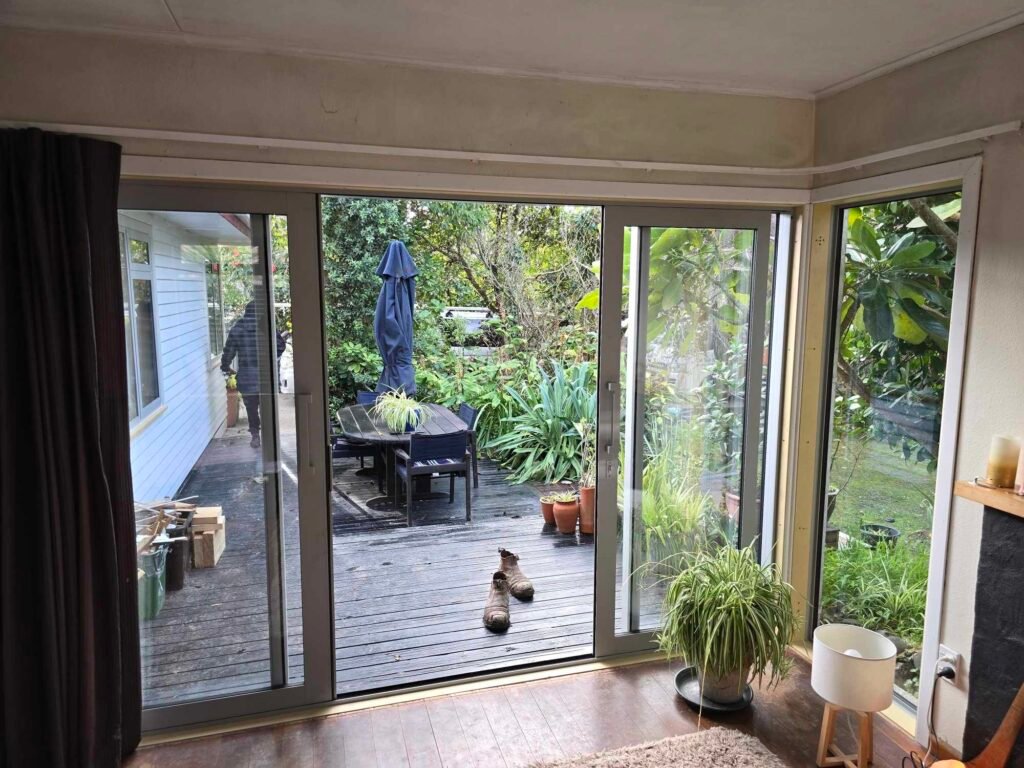
The goal is to meet the standards properly, not to renovate the whole house.
In many cases the work is fairly contained. Topping up or replacing insulation, fitting a ground moisture barrier, installing an extractor fan, or sealing up gaps around doors and an old fireplace.
Some upgrades need other trades. Wiring for an extractor fan or a heat pump, for example, needs a licensed electrician. It’s worth asking how that part is handled when you get a quote, so nothing falls through the gaps.
Do it between tenancies if you can
The easiest time to get healthy homes upgrades done is between tenants. Access is simpler, the work goes faster, and nobody has to live around it.
If the property is tenanted, most jobs can still be done with notice and a bit of planning. Your tenants will usually appreciate a warmer, drier house too.
Keep your paperwork in order
Landlords need to include a healthy homes compliance statement with the tenancy agreement and keep records showing the property meets the standards.
When work is done, keep the invoices, product details and any photos of insulation or moisture barriers. It makes things much easier if you’re ever asked to show compliance, and it’s useful when you sell.
Penalties for not complying can be significant. Tenancy Services lists fines of up to $7,200 for smaller-scale landlords and up to $50,000 for larger-scale landlords.
Why it’s worth getting right
Beyond staying compliant, these upgrades usually make a real difference to the property. A drier, warmer house is easier to look after, less prone to mould and condensation, and generally more appealing to good long-term tenants.
Need healthy homes upgrades in Hawke’s Bay?
Total Property helps landlords and property managers across Hawke’s Bay with the practical side of rental upkeep, including insulation, ventilation, draught stopping and drainage.
Send us the property address, any recent assessment report, and a few photos if you have them. That helps us understand the job before we talk next steps.