
Windows play a major role in how a property feels. They affect warmth, noise, comfort, condensation, natural light, and overall presentation. When windows are old, draughty, or poorly performing, the whole property can feel harder to heat and less comfortable to live in.
For Hawke’s Bay homeowners, landlords, and property managers, upgrading to double glazing can be a practical way to improve comfort and long-term property performance. Whether you are renovating a family home, improving a rental, or planning wider property upgrades, double glazing windows Hawkes Bay projects are worth considering carefully.
At Total Property, we help property owners make practical renovation and maintenance decisions that improve comfort, presentation, and everyday usability.
What Is Double Glazing?
Double glazing uses two panes of glass instead of one, with a sealed gap between them. This gap helps reduce heat transfer through the window, making the home easier to keep warm in winter and more comfortable during changing temperatures.
Double glazed windows can also help reduce outside noise and limit condensation compared with older single-glazed windows.
Depending on the property, double glazing may involve replacing the full window unit, retrofitting double glazing into existing frames, or upgrading selected windows as part of a renovation.
Why Consider Double Glazing?
Many older homes in Hawke’s Bay were built with single-glazed windows. While these may still let in plenty of natural light, they often do not perform as well when it comes to warmth, draught control, and noise reduction.
Double glazing can help with:
Improving indoor comfort
Reducing heat loss through windows
Reducing condensation
Improving noise control
Making the property feel warmer and quieter
Improving tenant or homeowner appeal
Supporting wider renovation upgrades
Modernising older windows and joinery
For homes that are difficult to heat or affected by condensation, window upgrades can make a noticeable difference.
The Benefits of Double Glazing
1. Better Warmth and Comfort
One of the main reasons people upgrade to double glazing is comfort. Windows are one of the common areas where heat can escape from a home, especially when they are older, poorly sealed, or single glazed.
Double glazing helps reduce heat loss and can make rooms feel more stable in temperature. This can be especially useful in bedrooms, living rooms, and areas that are used regularly.
A warmer, more comfortable property is easier to live in and can feel more inviting throughout the year.
2. Reduced Condensation
Condensation is a common issue in many homes, particularly during cooler months. Moisture on windows can lead to damp sills, mould, peeling paint, and damage to window frames over time.
Double glazing can help reduce condensation on the inside of windows by improving the internal surface temperature of the glass. While it may not remove condensation completely, especially if ventilation or moisture levels are still a problem, it can be an important part of improving indoor conditions.
For rental properties, reducing condensation can also help protect paintwork, curtains, timber trims, and surrounding surfaces.
3. Less Outside Noise
Double glazing can help reduce noise from outside. This may be useful for properties near busy roads, schools, commercial areas, neighbours, or high-traffic parts of town.
A quieter home can be more comfortable for sleeping, working from home, relaxing, or everyday living.
For rental properties, noise reduction may also improve tenant appeal, especially in busier locations.
4. Improved Property Appeal
Windows are a major part of how a property looks and feels. Old, damaged, or poorly performing windows can make a home feel tired, even if other areas have been updated.
Upgrading windows can improve both the appearance and function of a property. It can also complement other renovation work such as painting, insulation, heating, flooring, or interior upgrades.
For properties being prepared for sale or rent, double glazing can be an appealing feature.
5. Long-Term Property Protection
Condensation, draughts, and moisture can contribute to long-term maintenance issues. Window upgrades can help reduce some of these problems and protect surrounding materials.
When paired with good ventilation, heating, and insulation, double glazing can support a healthier and more durable indoor environment.
Things to Consider Before Upgrading
Double glazing is a valuable upgrade, but it needs to be planned properly. Not every property will need the same approach.
Before starting, consider:
Which rooms are most affected by cold, noise, or condensation
Whether existing frames are in good condition
Whether full replacement or retrofitting is more suitable
How the windows fit with the style of the property
Ventilation needs
Budget and project timing
Whether other insulation or heating upgrades are also needed
The best results often come from looking at the property as a whole, not just replacing windows in isolation.
Retrofit Double Glazing vs Full Window Replacement
There are two common approaches to double glazing: retrofitting and full window replacement.
Retrofit double glazing may allow double glazed units to be installed into existing timber or aluminium frames, depending on their condition and suitability. This can be useful when the frames are still sound or when homeowners want to retain the existing look.
Full window replacement involves replacing the window frames and glazing together. This may be the better option if the existing frames are damaged, rotten, outdated, poorly sealed, or no longer performing well.
The right choice depends on the property, budget, condition of the windows, and desired finish.
Double Glazing for Rental Properties
For landlords and property managers, double glazing can be a practical investment in comfort, presentation, and long-term maintenance.
Rental properties need to be durable and easy to maintain. Upgrading windows can help reduce draughts, improve comfort, and make the property more attractive to tenants.
When considering double glazing for a rental, it is worth thinking about:
High-use rooms first
Bedrooms and living areas
Condensation-prone areas
Durability of frames and hardware
Ease of cleaning and maintenance
Ventilation and airflow
Overall property condition
A staged approach may suit some properties, starting with the rooms where the upgrade will make the biggest difference.
Double Glazing Works Best with Good Ventilation
Double glazing can improve comfort, but it should not be seen as the only solution to moisture issues. Good ventilation is still essential.
Bathrooms, kitchens, laundries, and bedrooms all need proper airflow to manage moisture. Extractor fans, opening windows, air movement, and heating all play a role in reducing dampness and condensation.
If a home has high indoor moisture levels, double glazing may reduce window condensation, but moisture may still appear elsewhere if ventilation is poor.
A well-performing home needs windows, insulation, heating, and ventilation to work together.
Choosing Windows That Suit the Property
Window upgrades should suit the style and use of the property. A character home may need a different approach from a modern rental or a commercial-style property.
Things to consider include:
Frame colour and material
Opening style
Security features
Window hardware
Natural light
Privacy
Cleaning access
Durability
Weather exposure
Overall appearance
For Hawke’s Bay homes, it is also important to consider sun exposure, wind, coastal conditions in some areas, and how the windows will perform over time.
When Is the Best Time to Upgrade Windows?
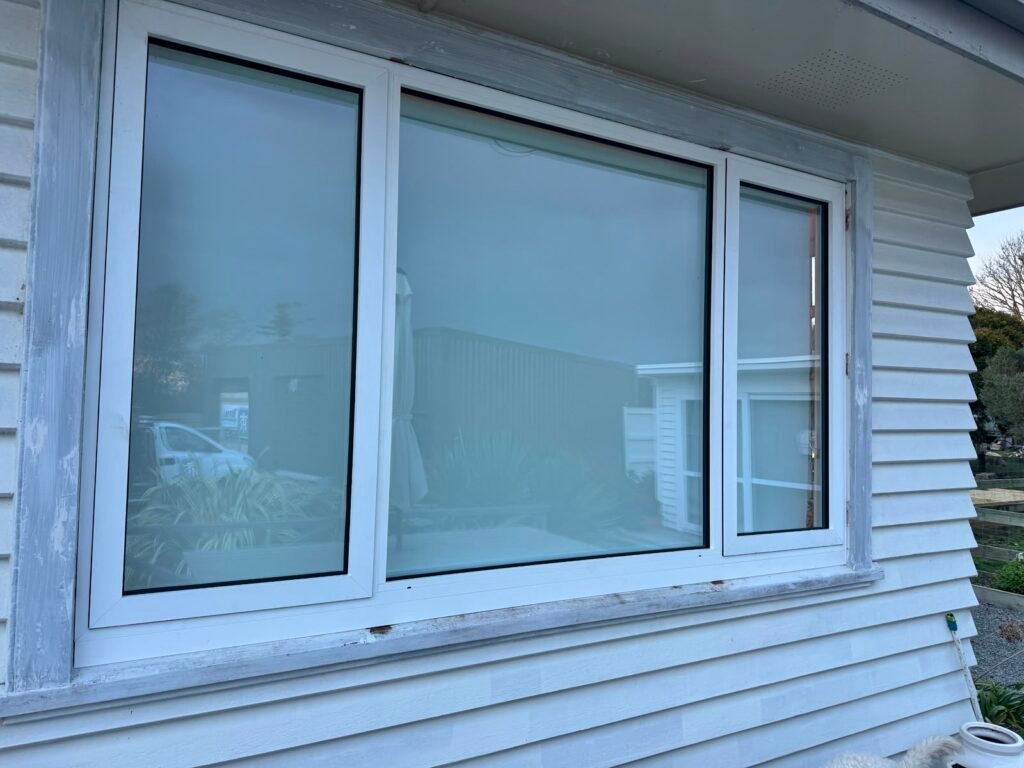
Double glazing can be done as a standalone upgrade, but it may also make sense during a wider renovation.
Good times to consider window upgrades include:
Before repainting interior trims
Before exterior repainting
During room renovations
When replacing damaged joinery
Before installing new curtains or blinds
When improving insulation or heating
Before renting or selling a property
Planning the work alongside other upgrades can help reduce disruption and create a more finished result.
Is Double Glazing Worth It?
Double glazing can be worth it if your property is cold, noisy, affected by condensation, or due for window upgrades. It can improve everyday comfort and support the long-term presentation and usability of the home.
However, the value depends on the condition of the property and the quality of the installation. A poorly planned upgrade may not deliver the result you expect.
The best approach is to assess the property, identify the highest-priority areas, and choose a solution that makes sense for the budget and long-term use.
Work with a Local Hawke’s Bay Property Team
Window upgrades are an important property improvement and should be planned carefully. The right approach depends on the existing joinery, the building style, exposure, maintenance needs, and how the property is used.
At Total Property, we help Hawke’s Bay homeowners, landlords, and property managers plan practical upgrades that improve comfort, presentation, and long-term property performance.
Whether double glazing is part of a wider renovation or a standalone improvement, we can help guide the process and coordinate the right work for your property.
Thinking About Double Glazing Windows Hawkes Bay?
Double glazing can help create a warmer, quieter, and more comfortable property. It can also improve presentation, reduce condensation issues, and support better long-term maintenance.
If you are considering double glazing windows Hawkes Bay, get in touch with Total Property to discuss your property, your goals, and the best approach for your window upgrade.